Audi PCV Valve Problems Explained

28 July 2026

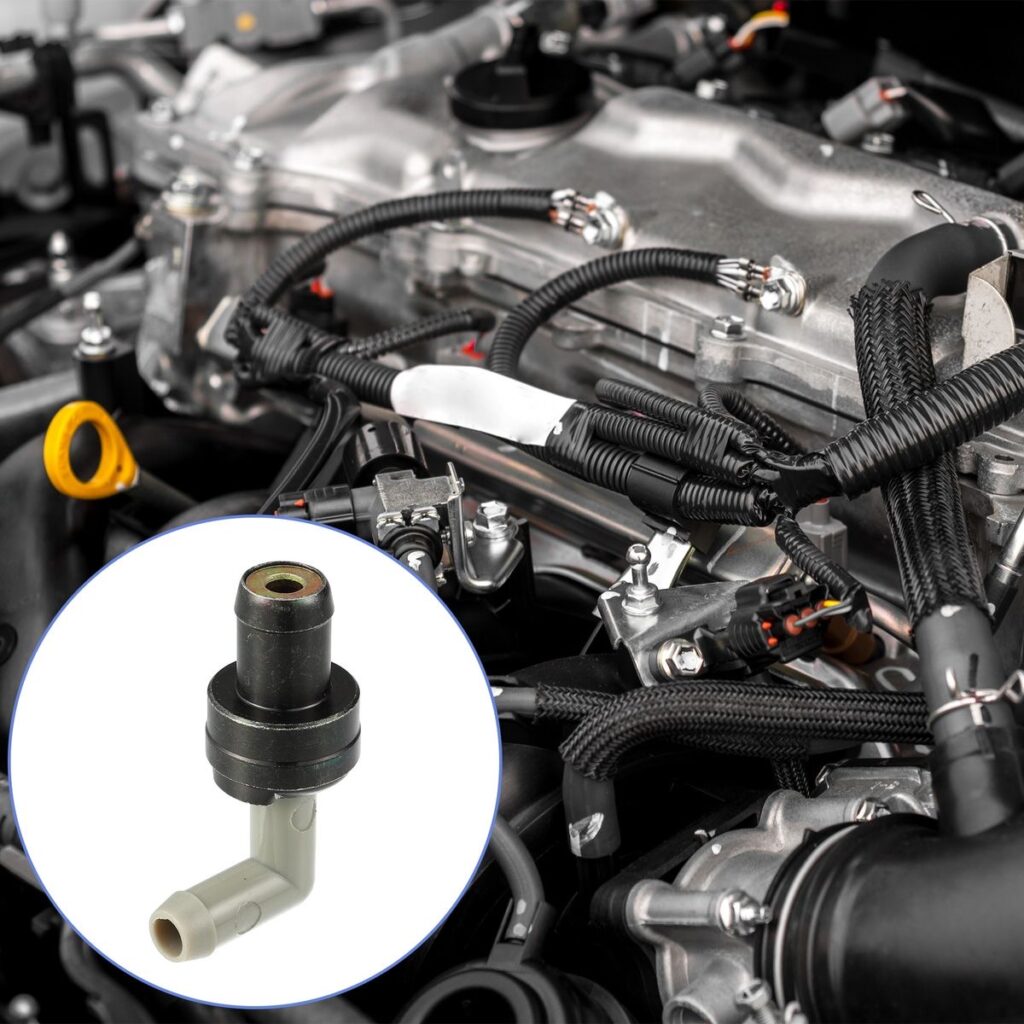
The PCV (Positive Crankcase Ventilation) valve is a small but essential component of your Audi’s engine. It regulates crankcase pressure and redirects harmful gases back into the intake system. When the PCV valve fails, it can affect engine performance, increase oil consumption, and trigger multiple warning lights. Fortunately, recognizing the early symptoms can help prevent more expensive repairs.


What Does the PCV Valve Do?

The PCV valve controls the flow of gases produced inside the engine. By maintaining proper crankcase pressure, it helps improve engine efficiency, reduce emissions, and prevent oil leaks.

When the valve becomes clogged or fails, pressure inside the engine can no longer be regulated correctly.


Common Symptoms of a Bad Audi PCV Valve

Check Engine Light

A faulty PCV valve often causes the check engine light to appear. Modern Audi engines monitor airflow and crankcase pressure, making PCV-related faults easy to detect.

Rough Idle

One of the most common symptoms is an unstable or rough idle. A failed PCV valve can create a vacuum leak, causing the engine to idle unevenly or shake while stopped.

Increased Oil Consumption

Improper crankcase ventilation may allow engine oil to enter the intake system. As a result, drivers may notice the need to add oil more frequently between scheduled services.

Oil Leaks

Excessive crankcase pressure can force oil past seals and gaskets, leading to oil leaks around the engine. If left unresolved, small leaks may become more serious over time.

Whistling Noise From the Engine

A damaged PCV diaphragm can create a noticeable whistling or high-pitched noise while the engine is running. This is a common warning sign on many Audi turbocharged engines.

Reduced Engine Performance

A malfunctioning PCV valve can affect the air-fuel mixture, resulting in reduced power, poor acceleration, and lower fuel efficiency.


Which Audi Engines Commonly Experience PCV Problems?

PCV valve failures are common on several Audi turbocharged engines, including:

  • 2.0 TFSI
  • 3.0 TFSI

These engines often experience PCV diaphragm wear as mileage increases, making regular inspection important.


Why OEM PCV Parts Matter

The PCV system works closely with the engine’s intake and emissions systems. OEM PCV valves are designed to meet Audi factory specifications for airflow and pressure regulation.

Low-quality aftermarket components may not provide proper sealing or performance, increasing the risk of recurring engine issues.


A failing PCV valve may seem like a minor problem, but it can lead to rough idle, oil leaks, increased oil consumption, and reduced engine performance. Diagnosing the issue early and replacing the valve with an OEM component helps protect your Audi’s engine and maintain reliable operation.


Need an OEM Audi PCV valve or other premium engine parts? Contact City Motors Parts for high-quality OEM components, expert support, and fast nationwide shipping.


You were not leaving your cart just like that, right?

Wait - your parts may sell out!

Our used OEM parts are one-of-a-kind. Leave your email and we will save your cart so you can finish your order anytime.