sales@citymotorsparts.com
(708) 395-5602Login
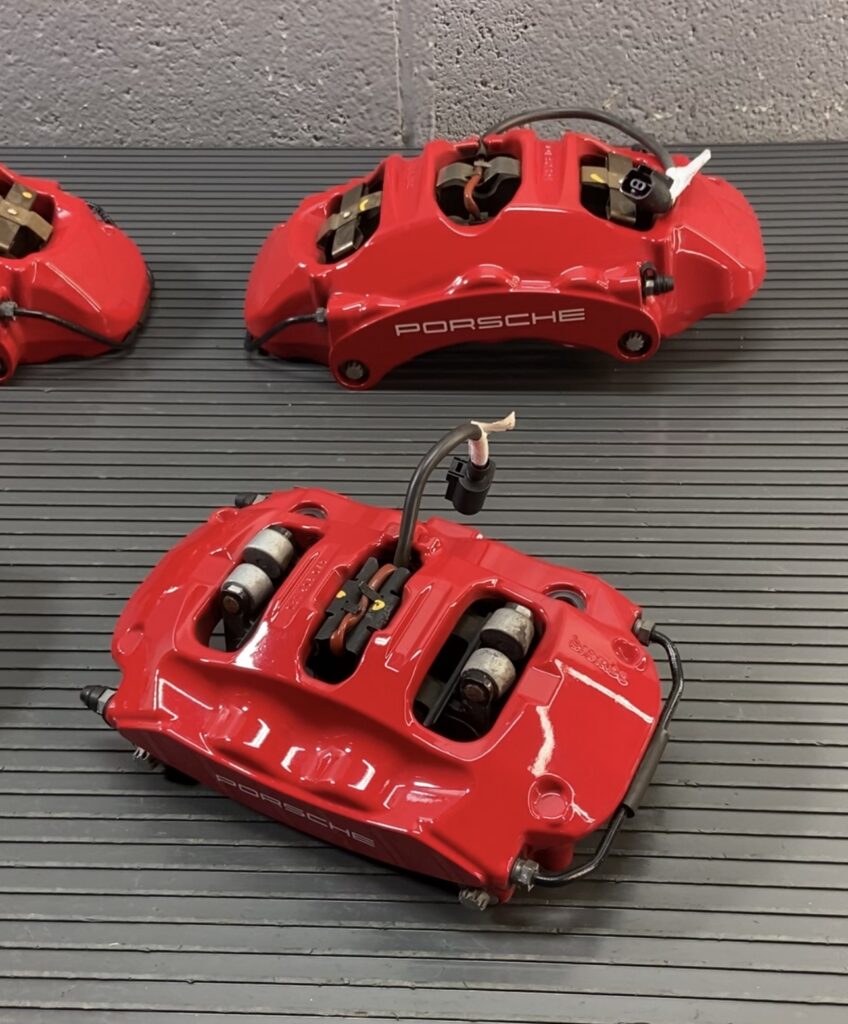
Porsche vehicles are designed for precise handling and strong braking performance. Because the braking system operates under significant heat and pressure, its components naturally wear over time. Knowing when Porsche brake components need replacement can help maintain consistent braking performance and prevent damage to other parts of the system.
Several components work together every time the brake pedal is pressed. Their lifespan depends on driving style, vehicle model, road conditions, and how frequently the vehicle is driven.
The main wear components include:
Regular inspections are especially important because replacing a worn component early can prevent more expensive repairs later.
Brake pads are among the most frequently replaced parts of the braking system. There is no single replacement interval for every Porsche because aggressive driving, city traffic, and performance driving can significantly accelerate wear.
Common warning signs include squealing or grinding noises, reduced braking response, increased stopping distance, and a brake warning message on the dashboard.
If the friction material becomes too thin, the pads can begin damaging the brake rotors.
Brake rotors are designed to withstand high temperatures, but repeated braking gradually wears their surface.
Symptoms of worn or damaged rotors can include vibration while braking, pulsation through the brake pedal, visible grooves or scoring, unusual braking noises, and reduced braking consistency.
Rotor thickness should be measured during a brake inspection. If it reaches or falls below the manufacturer’s minimum specification, replacement is necessary.
Many Porsche models use electronic brake wear sensors to alert the driver when the pads are approaching their replacement limit.
When a sensor has been triggered by worn brake pads, it generally needs to be replaced along with the pads. Using the correct sensor for the specific Porsche model is important for proper operation of the warning system.
Brake calipers generally last longer than pads and rotors, but they can still develop problems. Damaged seals, seized pistons, corrosion, or fluid leaks can cause uneven braking and abnormal pad wear.
Uneven wear between the left and right sides of the vehicle can be an indication that the caliper or related hardware needs inspection.
Porsche braking systems are engineered around specific dimensions, materials, and performance requirements. Installing components with incorrect specifications can affect fitment, braking feel, heat management, and component life.
OEM Porsche brake components are manufactured to match the specifications intended for the vehicle. Because Porsche parts can vary between models, generations, engines, and brake packages, confirming compatibility before ordering is essential.
Two Porsche vehicles that appear similar can use different pads, rotors, sensors, or calipers. The VIN and OEM part number provide a much more reliable way to determine compatibility than selecting parts based only on model and year.
Replacing worn Porsche brake components at the right time helps protect the entire braking system and maintain the performance the vehicle was designed to deliver.
Looking for the correct OEM Porsche brake components? Contact City Motors Parts for VIN verification, genuine OEM parts, and fast nationwide shipping.


Our used OEM parts are one-of-a-kind. Leave your email and we will save your cart so you can finish your order anytime.