sales@citymotorsparts.com
(708) 395-5602Login

Modern engines in BMW, Mercedes-Benz, and Audi operate under high pressure, high temperature, and tight tolerances. These vehicles rely on precise calibration between mechanical parts and electronic systems. Therefore, certain engine components should always be replaced with genuine OEM parts. Using lower-grade alternatives may seem cost-effective at first. However, incorrect materials or poor tolerances can lead to performance loss, warning lights, and expensive secondary damage.
Timing chains, guides, and tensioners must always meet factory specifications. These parts control valve timing and protect the engine from internal damage. Even small deviations in quality can cause premature wear or chain stretch. OEM timing components ensure correct alignment and long-term durability. As a result, they help prevent catastrophic engine failure.
High-pressure fuel pumps and fuel injectors play a critical role in modern turbocharged engines. BMW, Mercedes, and Audi engines depend on accurate fuel delivery for performance and emissions control. Non-OEM fuel components may cause misfires, rough idle, or reduced efficiency. Therefore, genuine OEM parts protect combustion quality and overall engine balance.
Mass air flow sensors, crankshaft sensors, and camshaft sensors communicate directly with the ECU. These components require precise calibration. Aftermarket sensors often trigger fault codes or inconsistent readings. In contrast, OEM sensors ensure accurate data and stable engine operation.
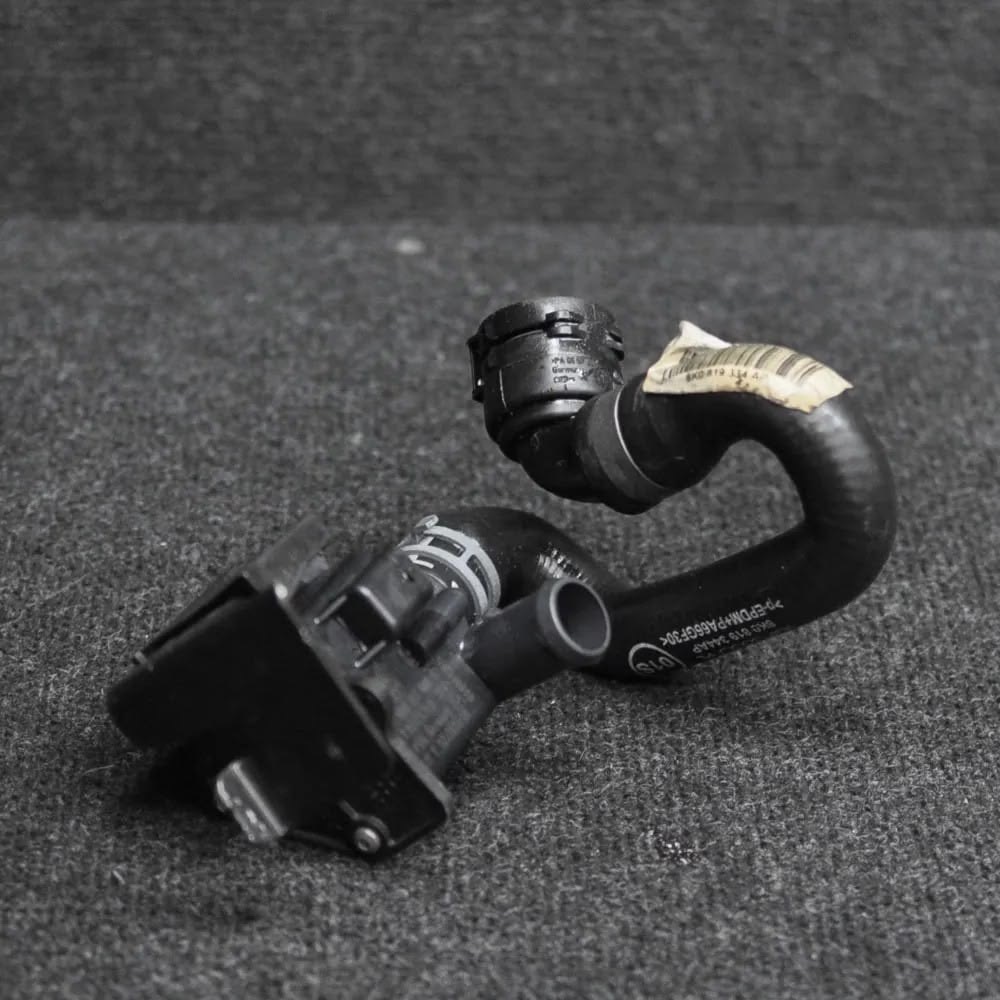
Water pumps, thermostats, and coolant temperature sensors protect the engine from overheating. Because turbocharged engines generate significant heat, cooling parts must meet exact standards. OEM cooling components maintain proper temperature control and reduce the risk of internal damage.
Engine gaskets and seals prevent oil and coolant leaks. Although they may appear simple, they must withstand heat and pressure over time. Low-quality seals often fail early. Consequently, leaks develop and lead to additional repairs. OEM gaskets provide proper material strength and long-term reliability.
Certain engine components in BMW, Mercedes, and Audi vehicles should always be OEM. Timing parts, fuel system components, sensors, cooling parts, and gaskets directly affect engine safety and performance. Choosing OEM engine components protects reliability, prevents costly repairs, and ensures your vehicle continues to operate as designed.


Our used OEM parts are one-of-a-kind. Leave your email and we will save your cart so you can finish your order anytime.