What Happens When Non-OEM Parts Are Used on Ferrari and Maserati Engines

22 March 2026

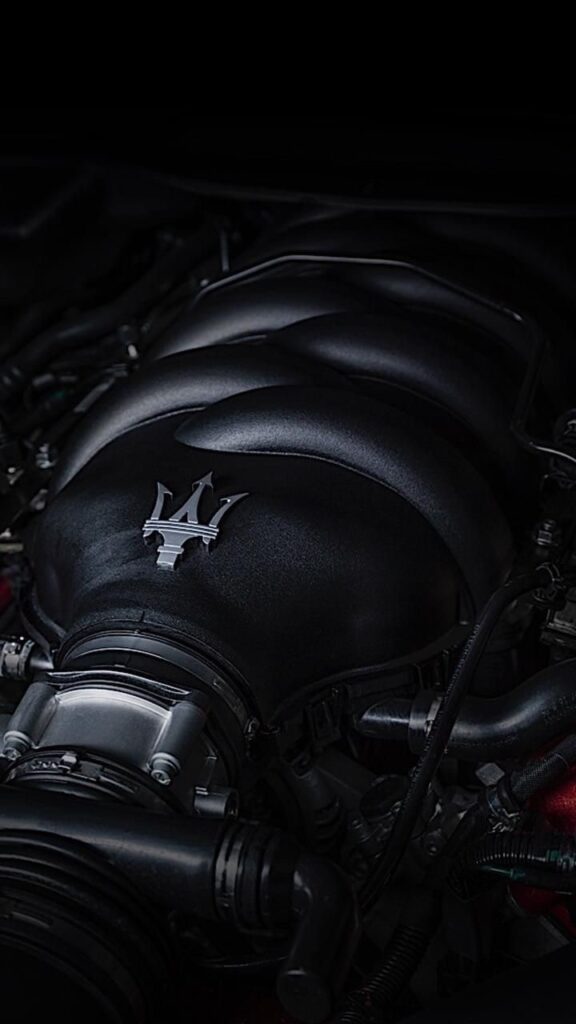
Engines in Ferrari and Maserati are built for high performance and tight tolerances. These engines operate under extreme heat, pressure, and load. Therefore, every component must match exact factory specifications. Using non-OEM parts may seem like a cost-saving option. However, it often leads to performance issues and long-term damage.


Loss of Engine Performance

Non-OEM parts may not match the required material quality or precision. As a result, the engine may lose efficiency and responsiveness. Drivers may notice: Reduced power Rough acceleration Inconsistent engine behavior OEM parts maintain proper balance and ensure stable performance.


Increased Risk of Mechanical Failure

Engine components such as timing parts, fuel system elements, and seals must handle extreme conditions. Non-OEM parts often fail faster under stress. This can lead to: Oil or coolant leaks Overheating Premature wear of internal components In high-performance engines, even small failures can cause serious damage.


Sensor and ECU Issues

Ferrari and Maserati engines rely on precise communication between sensors and control units. Non-OEM sensors or components may send incorrect data. As a result, the ECU may trigger warning lights or adjust engine operation incorrectly. This can reduce performance and create additional diagnostic issues.


Higher Long-Term Costs

Although non-OEM parts may be cheaper upfront, they often increase total repair costs over time. Failures, repeated labor, and additional damage can quickly add up. Using OEM parts helps prevent these issues and reduces long-term expenses.


Impact on Vehicle Value

Ferrari and Maserati vehicles are high-value assets. Service history plays an important role in resale value. Cars maintained with non-OEM parts may lose value and raise concerns during inspections. OEM parts help preserve originality and buyer confidence.


 Using non-OEM parts on Ferrari and Maserati engines can lead to reduced performance, mechanical failure, and higher long-term costs. OEM components are designed to handle extreme conditions and maintain system integrity. For these vehicles, OEM parts are essential to protect performance, reliability, and value.